Spring Floral Patterns: Integrating Digital Assets into Creative Workflows
In the landscape of digital design and content creation, the transition from concept to final product relies heavily on the quality and versatility of your source assets. Spring Floral Patterns represent more than just a seasonal aesthetic; they are functional design elements that can streamline the production process for creators across various industries. Whether you are a small business owner preparing inventory for Q2, a blogger designing editorial graphics, or a hobbyist organizing a scrapbooking project, understanding how to effectively utilize high-resolution digital assets is crucial for maintaining consistency and efficiency.
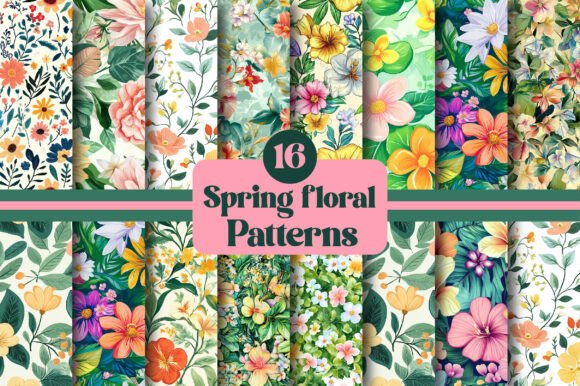
The specific asset described here—a collection of 16 designs featuring a solid color distressed effect—offers a unique intersection of visual appeal and technical utility. The distressed texture adds depth and a tactile quality to digital files, preventing them from looking flat or overly synthetic when scaled for physical output. This guide explores how to integrate these PNG files into your existing workflows, ensuring that the final result meets professional standards for print and digital media alike.
Understanding the Asset Specifications
Before integrating any digital asset into a project, it is essential to verify its technical specifications against your intended use case. The provided package consists of 16 distinct PNG files, each designed with specific parameters that cater to both digital display and high-quality printing. Understanding these constraints prevents common errors such as pixelation, incorrect color rendering, or file size bloat.
- Format: PNG (Portable Network Graphics). This format supports transparency, which is critical for overlaying patterns onto backgrounds without unwanted white boxes. It ensures that the floral pattern blends seamlessly with whatever base layer you choose, whether it’s a t-shirt mockup, a card background, or a website header.
- Resolution: 300 DPI (Dots Per Inch). This is the industry standard for high-quality printing. At this resolution, the image retains sharpness and detail even when printed at larger sizes. For digital-only uses, this high resolution ensures crisp display on Retina screens and high-density monitors.
- Dimensions: 12×12 inches. This square aspect ratio is highly versatile. It fits perfectly into standard scrapbook paper sizes, social media square posts, and printable art prints. The large physical dimension at 300 DPI results in a substantial file size, which preserves intricate details of the distressed effect.
- Visual Style: Solid Color Distressed Effect. The "distressed" element implies a worn, vintage, or textured look. This style is particularly effective in modern design trends that favor authenticity and handcrafted aesthetics over polished, sterile corporate looks.
Workflow Integration for Physical Product Creation
For entrepreneurs and makers selling physical goods, the path from digital file to tangible product requires careful planning. The note accompanying the asset explicitly states that this is a digital instant download, meaning there is no shipping time, but there is a significant responsibility regarding print preparation. Here is how to manage this workflow efficiently.
Preparation and File Management
Upon downloading the ZIP file containing the 16 designs, immediate organization is key. Create a dedicated folder structure within your project management system or local drive labeled by category (e.g., "Printables," "Apparel," "Stationery"). Rename the files descriptively if necessary, though keeping the original naming convention helps maintain traceability. Since the files are transparent PNGs, ensure your design software (such as Adobe Photoshop, Illustrator, Canva, or Affinity Designer) is set to view the transparency grid so you can accurately assess how the pattern sits against different backgrounds.
Compatibility with Printing Methods
The versatility of these 12x12 inch files allows for multiple production methods:
- Direct-to-Garment (DTG) Printing: When applying these patterns to T-shirts, the 300 DPI resolution ensures the distressed edges remain crisp. However, always run a test print on a single garment before committing to a bulk order. The "solid color" aspect means the pattern will likely be monochromatic or limited in palette, which simplifies ink usage but requires checking contrast against the fabric color.
- Sticker Production: For vinyl stickers, the transparent background is advantageous. You can place the floral pattern over colored vinyl rolls or clear stock. Ensure your cutting software recognizes the boundaries of the pattern correctly. If using die-cut stickers, check that the distressed edges do not create overly complex cut lines that might cause registration issues with your plotter.
- Scrapbooking and Paper Crafts: These assets are ideal for digital scrapbooking kits. Users can drag and drop the PNGs directly into their layouts. Because the files are 12x12 inches, they match the standard size of scrapbook paper, allowing for seamless full-page backgrounds or layered accents.
Digital Applications and Content Strategy
Beyond physical products, Spring Floral Patterns serve as powerful tools for digital marketing and content creation. In an era where visual consistency builds brand trust, having a cohesive library of assets like this allows for rapid deployment of branded materials.
Social Media and Web Design
While the files are sized for print, they can be resized for web use. However, caution is advised. Downsizing a 300 DPI image for a small web banner can sometimes result in aliasing artifacts if not done correctly using bicubic interpolation or similar resampling techniques. Conversely, upscaling is generally safe due to the high initial resolution. Use these patterns as background textures for blog headers, email newsletter footers, or Instagram story templates. The distressed effect adds character that stands out in crowded feeds, helping to capture user attention without relying on heavy text overlays.
Educational and Printable Resources
Educators and bloggers often create downloadable resources for their audiences. Incorporating these floral patterns into worksheets, certificates, or activity sheets adds a layer of polish that encourages downloads and shares. For instance, a teacher creating a spring-themed lesson plan can use one of the 16 designs as a border or watermark. The transparency allows the underlying educational content to remain legible while the pattern provides visual interest.
Quality Control and Color Consistency
A critical factor in utilizing digital assets is managing expectations regarding color reproduction. The disclaimer notes that colors may vary depending on devices and printers. This is not a flaw in the asset but a fundamental characteristic of color science.
Monitor Calibration: Before designing, ensure your monitor is calibrated. A pattern that looks vibrant teal on one screen may appear muddy green on another. Rely on sRGB color profiles, which are the standard for web and most consumer printers.
Proofing: Always print a physical proof before mass production. Digital colors are additive (light), while print colors are subtractive (ink/pigment). A bright yellow on screen might require a heavier ink load to achieve the same vibrancy on paper. Test your specific printer settings to adjust for density and saturation. This step saves money on wasted materials and ensures customer satisfaction.
Long-Term Utility and Organization
Investing in a diverse set of assets like this 16-design pack offers long-term value. Rather than creating new patterns for every minor project, having a reliable library allows you to focus on strategy and execution. Store these files in a cloud-based asset management system accessible to all team members. Tag them with metadata such as "spring," "floral," "distressed," "transparent," and "print-ready" to make retrieval effortless.
Furthermore, consider the lifecycle of your projects. A pattern used for a spring campaign in March can be repurposed for Easter promotions in April or Mother’s Day cards in May. The distressed aesthetic lends itself to timeless designs that do not feel overly trendy or dated quickly. By integrating these assets systematically into your creative workflow, you reduce decision fatigue and accelerate the time from idea to market.
Conclusion on Implementation
The successful application of Spring Floral Patterns depends less on the artistic merit of the images and more on the technical proficiency of the user. By respecting the 300 DPI resolution, leveraging the transparency of the PNG format, and conducting rigorous color proofs, creators can produce high-quality outputs across a wide range of mediums. Whether you are scaling up a small business operation or enhancing personal creative projects, these assets provide a robust foundation for professional-grade design work. Remember, the goal is not just to use the pattern, but to integrate it seamlessly into a broader ecosystem of planning, execution, and delivery.